
Siberian Ginseng
Siberian ginseng has a quiet, steady strength to it — like a companion on long journeys, offering resilience rather than intensity. Its roots are woody and earthy, carrying a subtle aroma that hints at forests, cool winds, and the grounded energy of northern landscapes. There’s something reassuring about it, as if the plant itself understands endurance and wants to share a little of that with anyone who seeks it out.
Its history begins in the vast forests of Siberia, China, and parts of Northeast Asia, where it has been used for centuries in traditional herbal practices. Unlike Asian ginseng, which is known for its stimulating qualities, Siberian ginseng — also called Eleuthero — was traditionally valued for supporting stamina, adaptability, and overall resilience. In the 20th century, it gained global attention when Russian researchers studied it extensively, especially for its potential to support people working in demanding environments. Over time, it became known worldwide as a plant associated with balance, endurance, and gentle vitality.
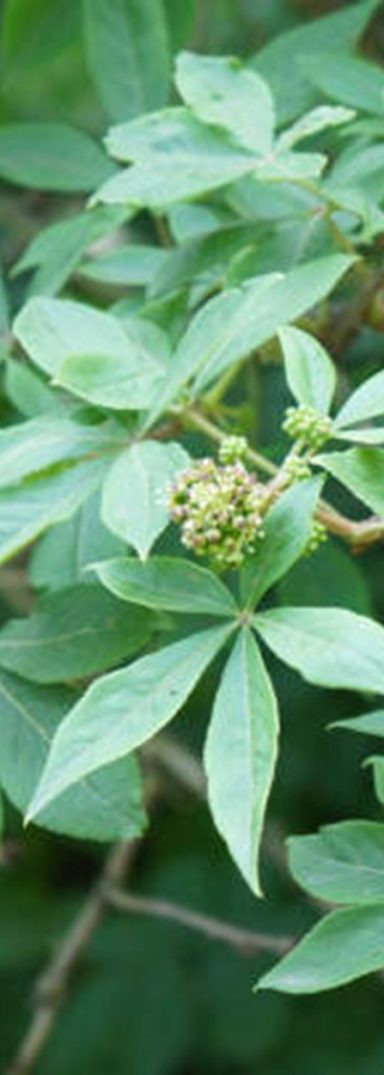
It isn’t a “true” ginseng at all — it belongs to a different botanical family, even though its qualities earned it the shared name. The plant grows as a hardy shrub with clusters of small berries, but it’s the roots that hold the qualities people seek. In the wild, it thrives in harsh climates, which is part of why it’s often associated with resilience and adaptability. Its flavour is mild and slightly woody, making it a grounding addition to herbal blends.
People often enjoy Siberian ginseng for the sense of steady energy and gentle support it brings. It’s a favourite during times of chaos or when someone wants to feel more balanced without the sharp lift that comes from stimulating herbs. Many find it helpful for creating a sense of endurance throughout the day, and it pairs beautifully with warming spices, earthy roots, and calming herbs like tulsi, oat straw, and ginger.
Siberian ginseng may not be suitable for individuals who are pregnant, breastfeeding, managing high blood pressure, or taking certain medications. Those with specific health conditions — especially heart-related concerns — should seek guidance from a healthcare professional before using it regularly. And, as always, enjoying it in moderation is the best way to honour its steady, grounding gifts.
We use this herb in our Clari-tea, which is our blend for focus, uplift and mental clarity.