
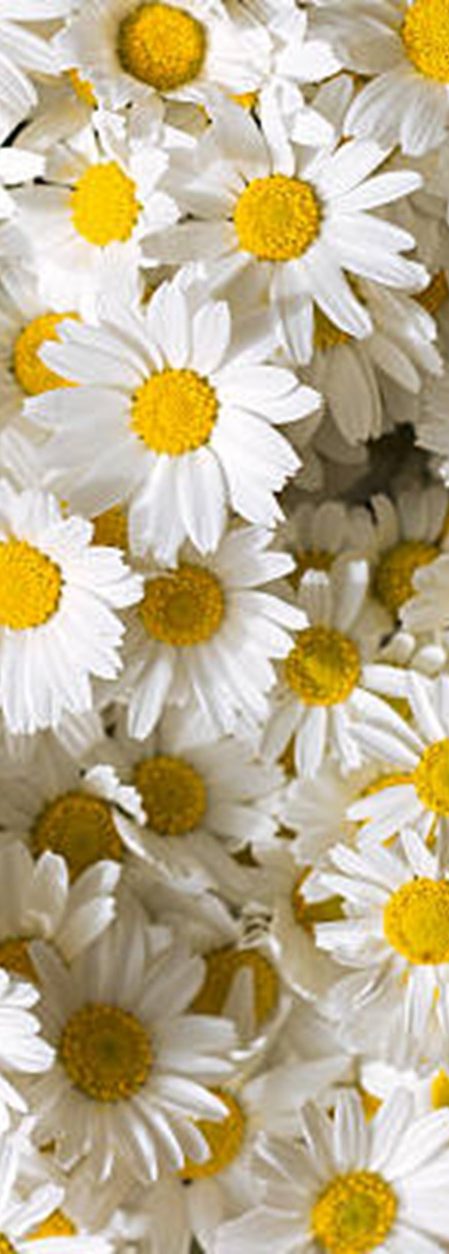
Chamomile
Chamomile has a softness to it that feels like a deep exhale — gentle, floral, and quietly reassuring, as if the plant itself is offering a small moment of peace. Its tiny daisylike flowers carry a sweet, applelike scent that has soothed people for generations. There’s a tenderness in chamomile that makes it feel like a friend to the nervous system, a plant that whispers rather than shouts.
Its history stretches back to ancient Egypt, where it was associated with the sun and used in early herbal preparations. The Greeks and Romans valued it for its calming qualities, and medieval monks planted it in monastery gardens as a “comfort herb” for weary bodies and restless minds. Over time, chamomile became a staple in European folk traditions, woven into bedtime rituals, children’s remedies, and gentle teas meant to ease the edges of a long day.
Its name comes from the Greek chamaimelon, meaning “ground apple,” a nod to its sweet scent. When grown in pathways, it releases more fragrance when stepped on — a plant that becomes more generous the more it’s touched. There are two main types, Roman and German chamomile, and while both are beloved, German chamomile is the one most commonly used in teas for its delicate flavour and golden colour.
People often enjoy chamomile for the sense of calm and comfort it brings. Its naturally soothing aroma can help create a gentle transition into rest, making it a favourite for evening blends or quiet moments of reflection. Many find it supportive when they want to unwind, soften tension, or simply enjoy a cup that feels nurturing and kind. It pairs beautifully with lavender, lemon balm, mint, and honeyforward herbs, adding a floral sweetness that rounds out a blend.
Chamomile is part of the daisy family, so it may not be suitable for individuals with allergies to related plants such as ragweed or marigold. Those who are pregnant, breastfeeding, managing specific health conditions, or taking regular medication should check with a healthcare professional before using it regularly. And, as always, enjoying it in moderation is the best way to honour its gentle gifts.
We use this herb in our Tranquili-tea blend for a restful sleep.