
Black Tea
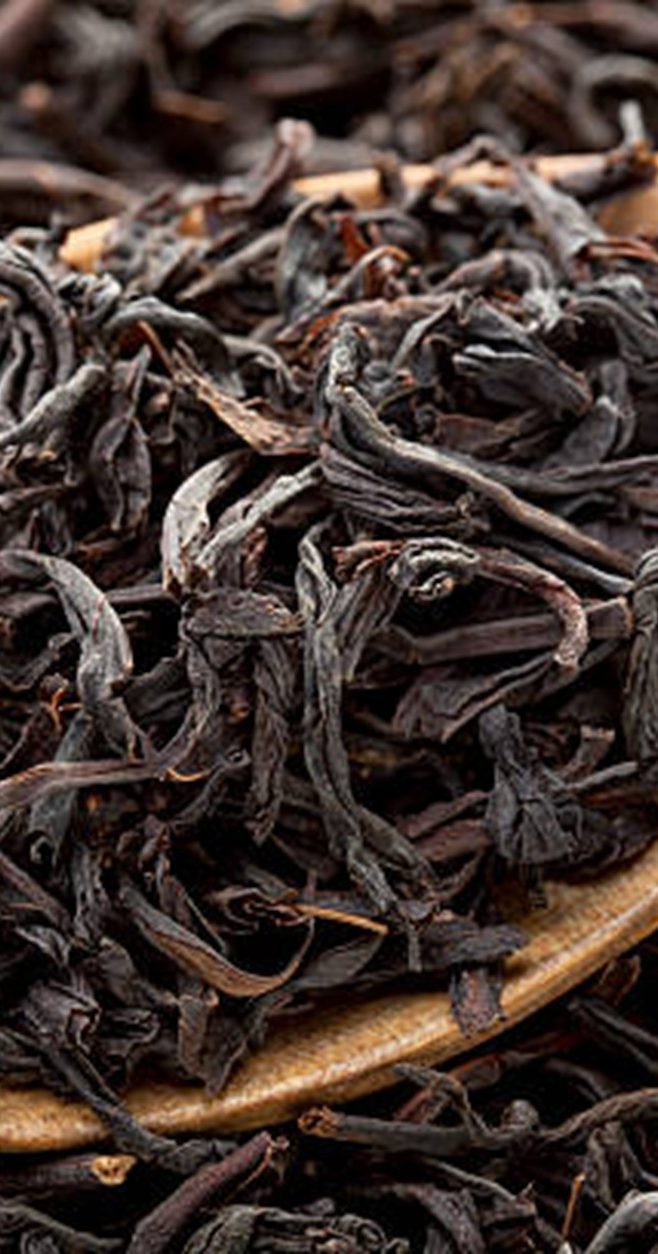
Black tea has a depth and warmth that feels instantly familiar — rich, comforting, and quietly bold, like the steady heartbeat of a morning ritual. Its leaves carry the memory of sun, soil, and slow oxidation, transforming from soft green to deep coppery brown as they develop their characteristic strength. There’s something grounding about it, something that invites you to settle into yourself while the world wakes up around you..
Its history stretches back thousands of years, beginning in China before spreading across continents and cultures. While green tea dominated early traditions, black tea rose to prominence during the Ming Dynasty and later became a global staple through trade routes and colonial expansion. It found a special home in Britain, where it became woven into daily life — from breakfast tables to afternoon pauses — and eventually shaped tea culture across the world. Every region developed its own expression: the malty richness of Assam, the brisk clarity of Ceylon, the floral notes of Darjeeling.
Black tea has its own charming quirks. The colour of the brewed tea is called “the liquor,” a term that surprises many newcomers. The leaves themselves come from the same plant as green and white tea, Camellia sinensis, but are fully oxidised, which gives them their darker hue and stronger flavour. Some black teas, like lapsang souchong, are even smoked over pinewood, giving them a distinctive campfire aroma that people either adore or avoid entirely..
People often enjoy black tea for its naturally invigorating qualities. It’s a favourite for moments when someone wants a clear, steady lift without the intensity of coffee. Many find it supportive for focus, morning routines, or simply creating a sense of structure in the day. Its flavour also makes it a beautiful base for blends — pairing effortlessly with spices, citrus, florals, and herbs.
As with all teas from Camellia sinensis, black tea contains natural caffeine, so it may not be suitable for those avoiding stimulants or those who are sensitive to them. Individuals who are pregnant, breastfeeding, or managing specific health conditions may wish to limit their intake. Drinking it on an empty stomach can occasionally cause discomfort for some people. And, as always, anyone taking medication or navigating health concerns should check with a healthcare professional before making it a regular part of their routine...
We use Assam tea in our Everyday Masala Chai..